Iguazu Falls Argentina: Complete Guide to the National Park Experience
Plan the Argentine side of Iguazu Falls: choose circuits, compare admission and transport, and leave room for closures, breaks and separately booked activities.
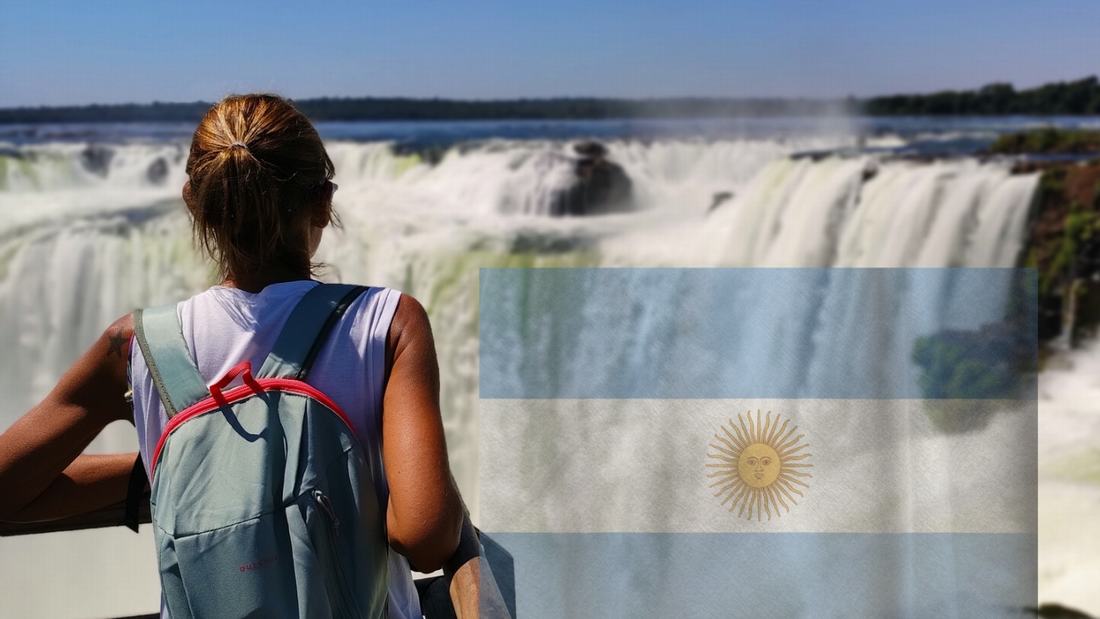
Image credits
Photo: Viajeros a Cataratas
Before you travel: confirm opening hours, available routes and the conditions of your chosen activity for your date.
IN DETAIL
Iguazu Falls, Argentine Side Iguazu National Park
Iguazu National Park was created in 1934 by Law No. 12,103, with the mission of preserving the magnificent Iguazu Falls and their surrounding natural environment.
IN DETAIL
Argentine Side of Iguazu Falls A Raw Encounter with Nature's Power
Some places can't just be described—you have to feel them. The Argentine side of Iguazu Falls is a direct jolt of life: roaring water, breathing jungle, wildlife crossing your path, and thick air that recharges your soul. If you're planning a trip to this breathtaking corner of the world, here's more than just a guide—it's an invitation to fully live the experience.
IN DETAIL
Why Visit the Argentine Side of Iguazu Falls?
Because you will walk it. Because you will smell it. Because you’ll leave soaked, tired, and completely happy. The Argentine side of Iguazu National Park allows you to explore several groups of waterfalls, both from above and below, on walkways that dive into the jungle and bring you inches from the rushing water. Here, you're not just a spectator—you become part of the landscape.
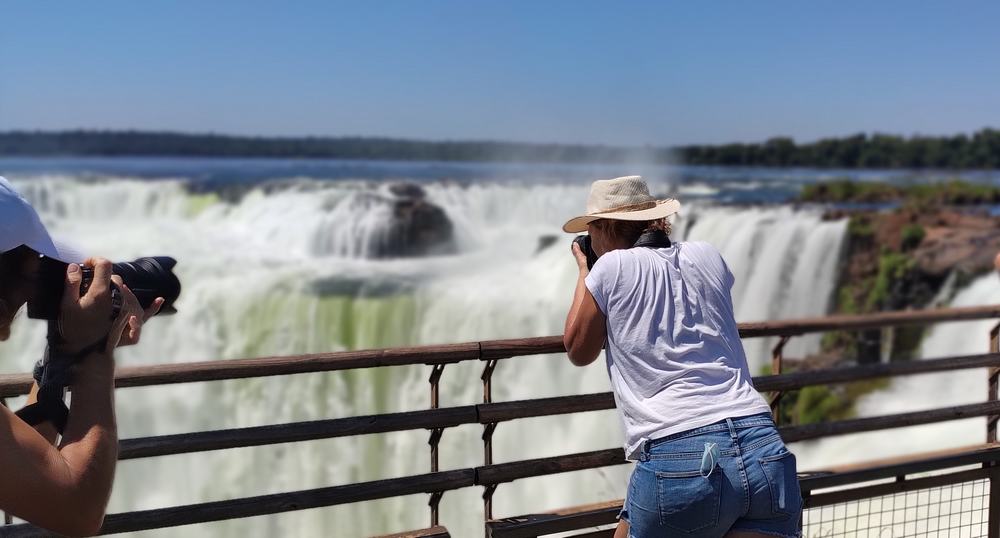
Image credits
Photo: Viajeros a Cataratas
IN DETAIL
Things to Do at Iguazu Falls
To plan the Argentine side of Iguazu Falls, separate your walking circuits, transport to and from the park, and activities with their own departure time. General admission covers the enabled circuits; boat rides and night visits are separate bookings.
Choosing your day: check the map and closures on arrival. Upper Circuit suits visitors seeking views from above and a route without stairs; Lower Circuit offers lower viewpoints but includes stairs. Devil’s Throat depends on reopening and travel to its station. Macuco needs a separate walking block, so do not add it late without allowing time to return. This is planning guidance, not a compulsory itinerary.
Leave time for food and breaks before adding an excursion. Visiting the Brazilian park requires separate admission and transport planning.
Upper Circuit
- Distance: APN describes 1,850 m in one direction; the operator page lists 3,700 m round trip. These use different route definitions: confirm your route on the park map rather than adding the figures.
- Estimated time: 1 hour 30 minutes
- Difficulty: Low – No stairs
- What you'll see: Panoramic views from above. Feel the vertigo without getting wet. Perfect for photos.
- Tip: Consider an early start to leave more time for the route; light, crowds and weather vary.
Lower Circuit
- Distance: check the enabled route on the current park map
- Estimated time: 1 hour 45 minutes
- Difficulty: Medium – With stairs
- What you'll see: The heart of the action. You see the falls from lower viewpoints close to the spray.
- Tip: Bring clothes that can get wet. It’s the most exciting trail in the park!
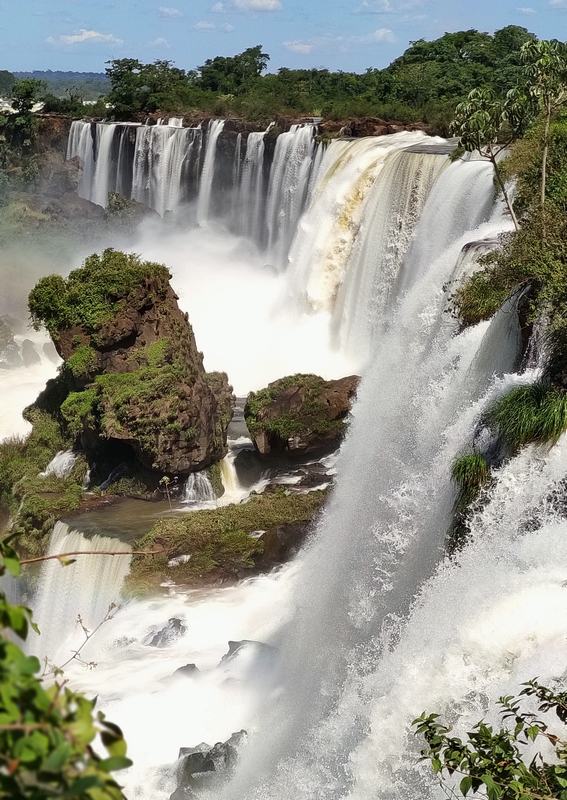
Image credits
Photo: Viajeros a Cataratas
Devil’s Throat
Status checked on 30 October 2026: the official Devil’s Throat page reports a precautionary closure due to rising river levels. Do not count on this circuit until reopening is confirmed. Upper and Lower circuits provide other viewpoints; daily operating conditions still apply.
- Distance: 2,200 meters (round trip)
- Planning estimate: allow around 2 hours with the train; queues, breaks and walking pace can make it longer. This is not a guaranteed duration.
- Difficulty: Low – Flat walkways
- What you'll see: The most powerful and iconic fall. The roar is deafening, and the mist will soak you.
- Tip: Visit early. Heavy rain or rising waters can cause closure for safety reasons.
Macuco Trail
- Distance: approximately 7–8 km (round trip)
- Estimated time: about 3 hours, plus breaks
- Difficulty: Medium – Natural dirt trail, wilder terrain
- What you'll see: A peaceful jungle walk ending at a hidden waterfall.
- Tip: Perfect if you're looking for solitude, wildlife sightings, and a quieter walking pace.
Ecological Jungle Train
- Route: connects Central, Cataratas and Garganta stations when that sector is operating.
- Time: depends on the journey and queue; check station displays.
- Experience: open carriages through the forest.
- Admission: the service is included, without a separate train fare.
Green Trail
- Distance: 650 meters
- Estimated time: 15 minutes
- Difficulty: Very low
- What you'll see: A forest link between the service courtyard and Cataratas station.
- Tip: A walking alternative if you prefer not to wait for the train.
💡 Traveler Tips
- Arrive early: To leave more time for the visit, without assuming that queues will be shorter.
- Clothing: Wear comfortable clothes and shoes. Bring a raincoat or extra clothes if planning a boat ride.
- Hydration and snacks: Bring water and light snacks. There are food options inside the park, but prices can be high.
- Sun protection and insect repellent: Essential due to the subtropical climate.
- Do not feed wildlife: Especially coatis, as they can become aggressive.
🕒 How Much Time Do You Need to Explore Iguazu Falls?
One full day allows time for the main circuits that are open, breaks and train transfers. Check closures and booked activity times before assuming you can add Devil’s Throat and a boat ride.
Two days is ideal if you want a more relaxed experience, to fully enjoy all trails, and include extra activities like the Macuco Trail or a boat adventure.
Boat trips, full-moon walks and flights
The Argentine park offers activities that need their own booking and participation checks. Gran Aventura combines a forest journey and boat ride; its age and health restrictions are different from those of a walkway visit. Keep the park entrance, boat departure and transport as separate planning steps.
The full-moon walk has its own calendar and reservation. Check the dates and circuit actually available, particularly while Devil’s Throat is closed. A night programme is not included automatically in general daytime admission.
The helicopter outing departs from Brazil. If staying in Argentina, allow separately for travel documents, border formalities and transport rather than trying to add it as an activity inside the Argentine park.
PRACTICAL INFORMATION
🎟️ Iguazu National Park Ticket Prices (2026)
🎟️ Entrance Fees for Iguazu Falls
APN rates effective 1 June 2026, checked 30 October 2026, in Argentine pesos:
Prices and conditions: check the date and source shown. Confirm the final price for your booking.
| Visitor category | Admission per person |
|---|---|
| General admission | ARS 60,000 |
| Argentine residents | ARS 25,000 |
| Misiones residents | ARS 8,000 |
| Students meeting APN documentation requirements | ARS 15,000 |
Discounted categories require proof. Exemptions include children aged 0–6 inclusive, retirees/pensioners with Argentine ID and eligible visitors with disabilities. Residency and eligibility matter; a neighbouring country's passport does not automatically qualify for a resident rate. Check the official category requirements before paying.
🕒 Park Opening Hours
Open: Every day of the year, including holidays and rainy days
From 8:00 AM to 6:00 PM
Last entrance allowed: Until 4:00 PM
🎟️ How to Buy Tickets for Iguazu Falls
You can purchase your tickets:
- Online through the official website: Iguazú Argentina
- At the park's ticket offices (payment accepted in Argentine pesos, credit, or debit cards)
👉 Buy your ticket online to avoid lines: https://ventaweb.apn.gob.ar/reserva/inicio?dp=02
🎟️ Benefit for Second-Day Entry
The operator advertises 50 % off a second visit on presentation of your first ticket at the ticket office. Confirm validity dates and category conditions before planning your return. Second-visit conditions.
IN DETAIL
🚗 How to Get to Iguazu National Park
Here are the different options for getting to Iguazu Falls from Puerto Iguazu city:
With a Travel Agency
A package may include pickup, return transport and a guide, but inclusions and hotel coverage vary. Check the meeting point, park admission, activities, language and return arrangements in the selected offer.
You can check prices directly from agencies. Some packages even include a boat ride adventure!
By Taxi
In Puerto Iguazu city, many taxis offer round-trip service to Iguazu Falls, both the Argentine and Brazilian sides.
Request a quote covering your group size, pickup, waiting time and return. Compare the total with bus fares; a taxi is not automatically cheaper for four people.
Ask about a transfer on WhatsApp: 3757432599
By Car
APN places Puerto Iguazú about 18 km from the park and describes access via RN 12 and RN 101. Follow signs for Área Cataratas and allow for your hotel location, parking and entry checks; twenty minutes is not a guaranteed door-to-circuit journey. Official access information.
By Public Bus
Public buses depart from the main bus terminal downtown Puerto Iguazu to Iguazu National Park.
Ask Río Uruguay or the bus terminal for current fares, departures and the final return for your date. Do not base your return journey on old timetable estimates.
IN DETAIL
How to Explore Iguazu National Park
You may explore independently or hire a licensed guide. Guided visits are optional under the current general visiting arrangements. Agree on language, itinerary, duration and price before booking. APN visiting options.
Your guide will accompany you throughout the visit, sharing knowledge and experiences to enrich your exploration.
Is It Worth Hiring a Tour Guide?
Yes, it’s definitely worth it! Let me explain why. I am a resident of Puerto Iguazu and have visited Iguazu Falls many times. Every visit has been spectacular, full of magic and emotion. But it was mainly about admiring the beauty.
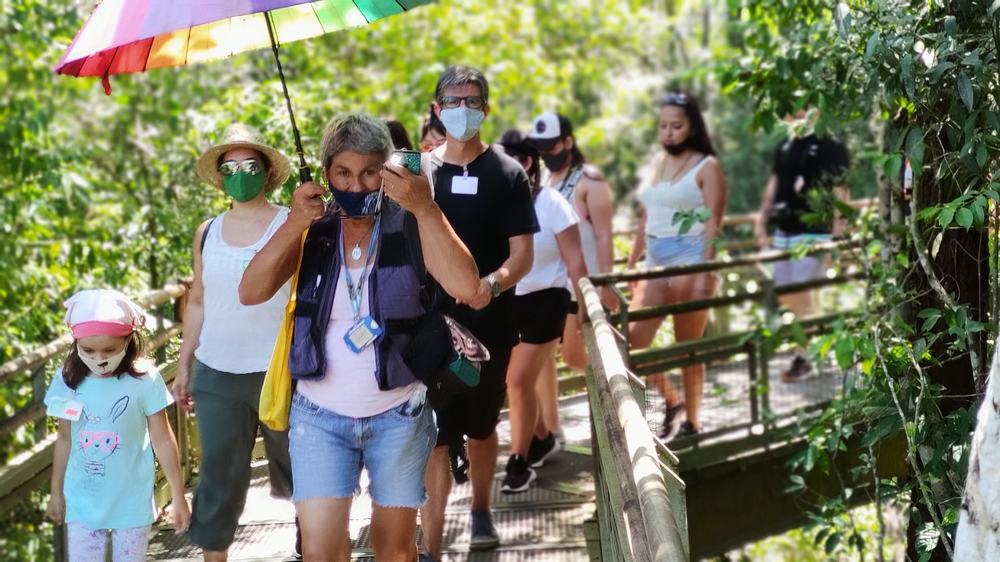
Image credits
Photo: Viajeros a Cataratas

Image credits
Photo: Viajeros a Cataratas
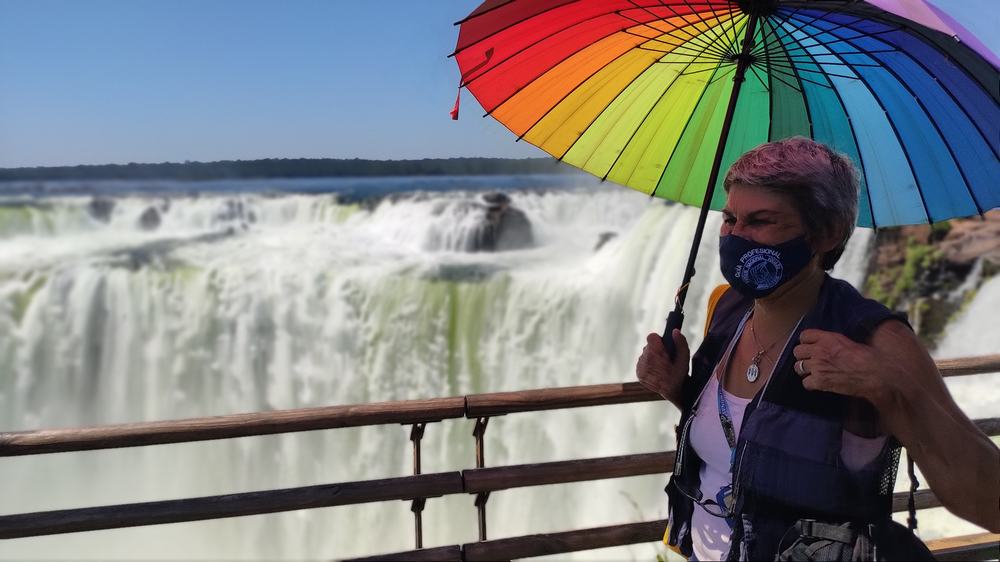
Image credits
Photo: Viajeros a Cataratas
During the pandemic, when hiring a guide became mandatory, I discovered a new dimension: not only enjoying the view but also learning about history, geology, and wildlife.
We encountered many animals—birds, fish, mammals—and the guide shared detailed information about each, even better than what you would find online.
Plus, the guides often tell personal stories and experiences that make the journey even more memorable.
IN DETAIL
History of Iguazu National Park
In 1902, French landscape architect Carlos Thays was sent to study the Iguazu Falls region and prepare a plan for visitor access and stays near the waterfalls. APN’s cultural heritage account describes this work as part of the origins of the area’s protection.
Thays’s proposal connected visiting the falls with conserving the surrounding landscape. That relationship helps explain why the park protects the forest, rivers and wildlife as well as the viewpoints, and why visitors must stay on the permitted routes.
In 1909, legislation authorised the reservation of land around the falls. In 1928, the state purchased 75,000 hectares intended for a national park and a military colony. That purchased area should not be confused with the park’s present size. APN’s chronology explains these stages before the park’s legal creation.
On 9 October 1934, Law No. 12,103 created the National Parks Directorate and the Iguazu and Nahuel Huapi national parks. Iguazu is therefore among Argentina’s earliest national parks. APN’s account of their joint anniversary places both areas in that shared history.
The park was founded to protect the landscape around the falls together with the surrounding rainforest and its plant and animal life. Its significance extends beyond the waterfalls: the visit offers a chance to experience part of this protected environment.
In 1984, Iguazu National Park was inscribed on the UNESCO World Heritage List, as recorded in the official inscription.
IN DETAIL
Features of Iguazu National Park
The park is in northern Misiones Province, Argentina, and covers 67,698 hectares, according to APN’s protected-area factsheet. To the north, the Iguazu River marks the border with Brazil, where the Iguaçu National Park is located.
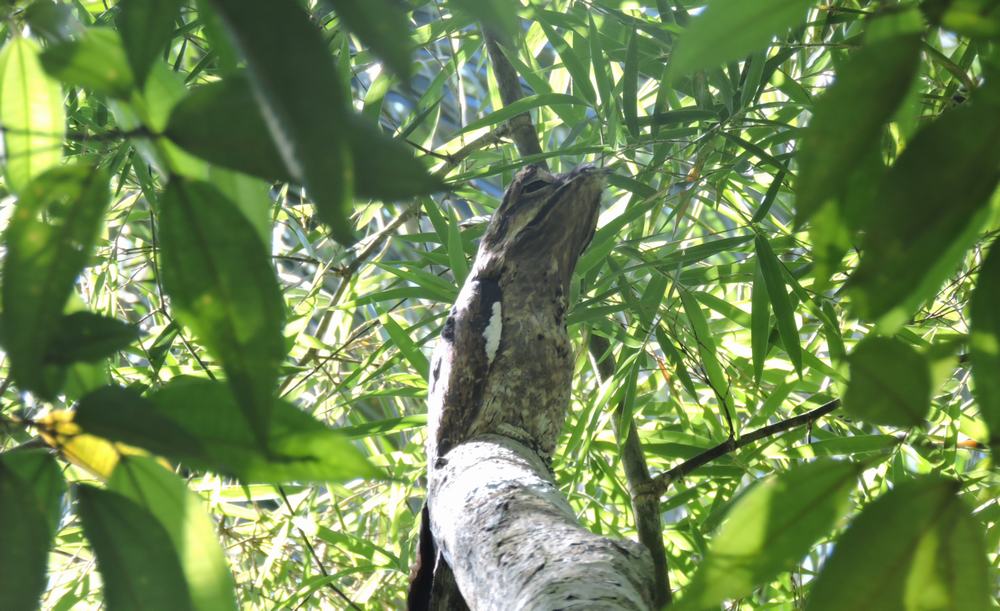
Image credits
Photo: Viajeros a Cataratas
The two parks protect the falls landscape and forest on both sides of the river. This natural continuity does not provide direct visitor access between every sector: each country has its own park entrance, circuits and border formalities.
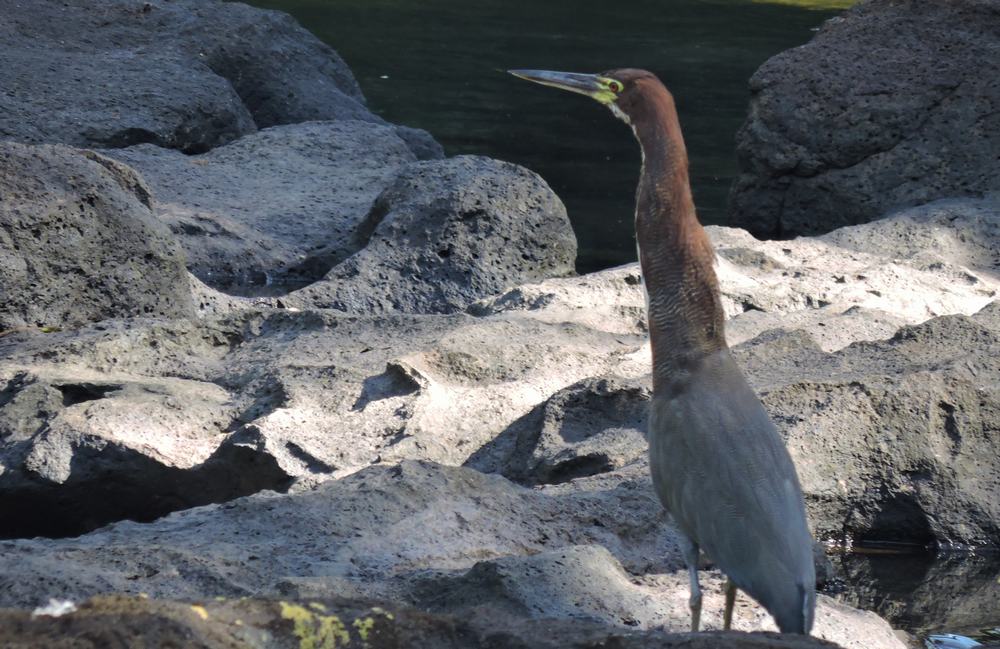
Image credits
Photo: Viajeros a Cataratas
The Paraná Forest, also known locally as the Misiones Rainforest, is part of the Atlantic Forest. Trees, waterways and wildlife shape the environment around the trails. Taking time to observe the forest helps you understand the park beyond the waterfall viewpoints.
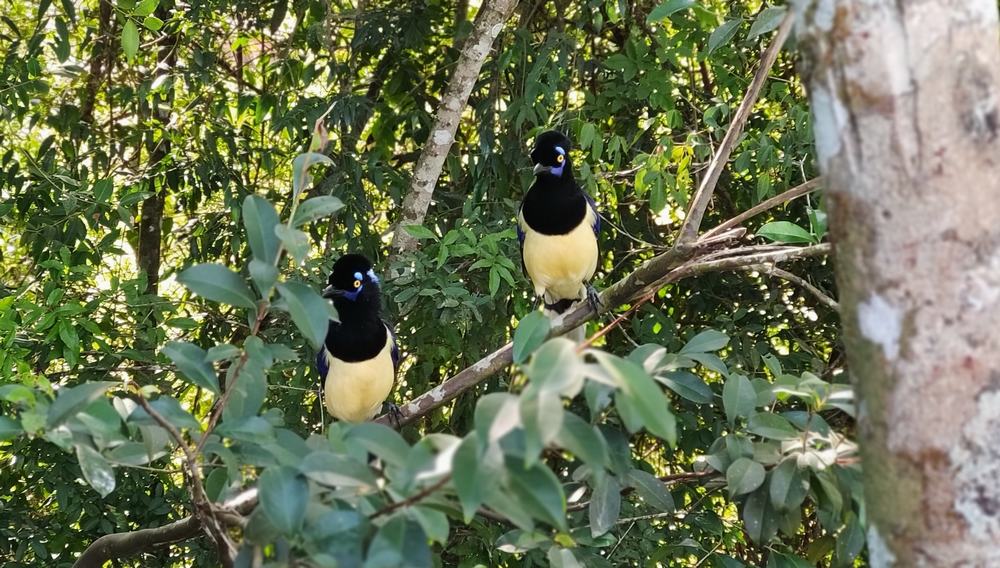
Image credits
Photo: Viajeros a Cataratas
To plan your visit, use the authorised entrances to the Cataratas visitor area, rather than territorial boundary descriptions as directions. The access information above explains the journey from Puerto Iguazú; inside the park, follow signs, open walkways and staff instructions.
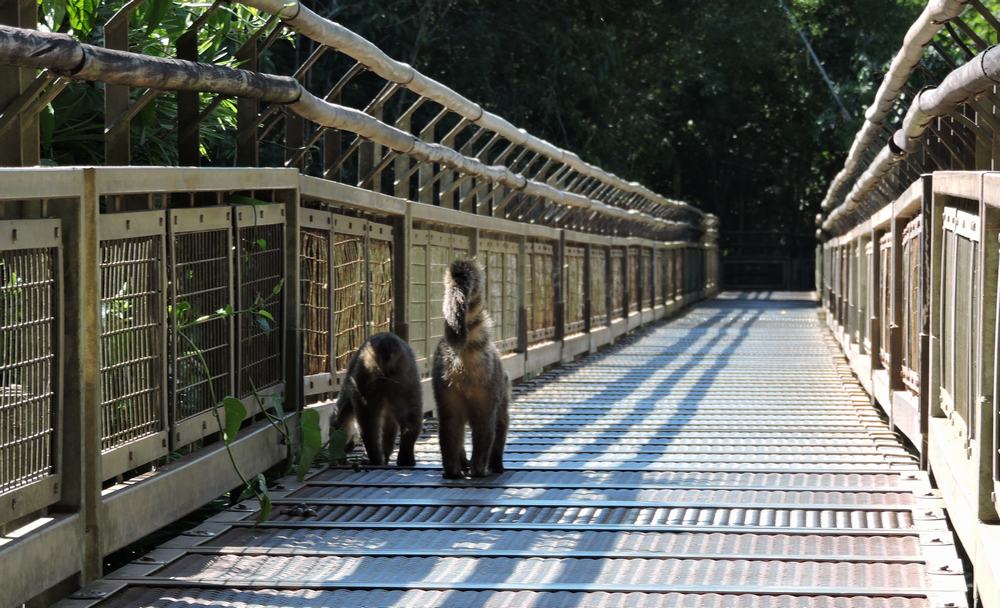
Image credits
Photo: Viajeros a Cataratas
Travel sources
Use these links to find more information and plan your visit.
- APN — admission prices effective 1 June 2026Accessed:
- APN — opening times and accessAccessed:
- APN — activitiesAccessed:
- APN — protected-area factsheetAccessed:
- Iguazú Argentina — frequently asked questionsAccessed:
- Iguazú Argentina — Devil’s ThroatAccessed:
- Iguazú Argentina — Green TrailAccessed:
- Iguazú Argentina — Macuco TrailAccessed:
- Iguazú Argentina — Lower CircuitAccessed:
- Iguazú Argentina — Upper Circuit, distance definitionsAccessed:
- APN — cultural heritage and Carlos ThaysAccessed:
- APN — history of the national parksAccessed:
- APN — creation of Iguazú and Nahuel Huapi in 1934Accessed:
- UNESCO — Iguazu National Park, 1984 inscriptionAccessed: